
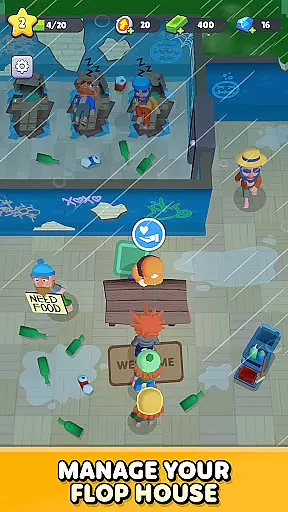
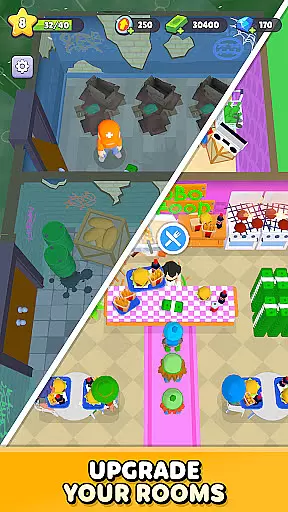
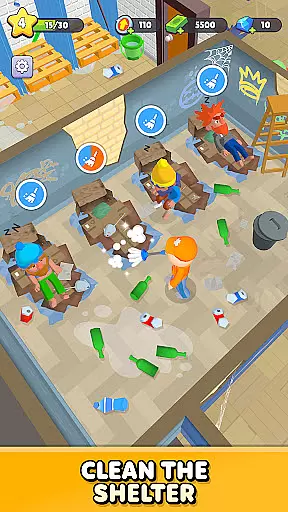
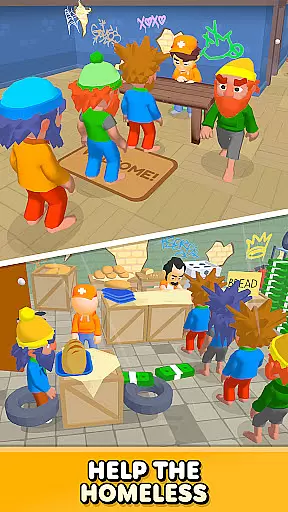
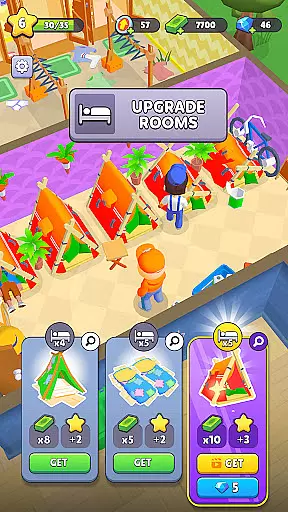

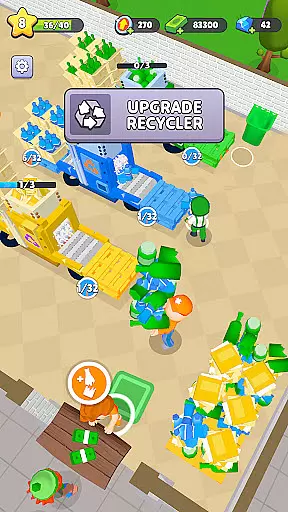
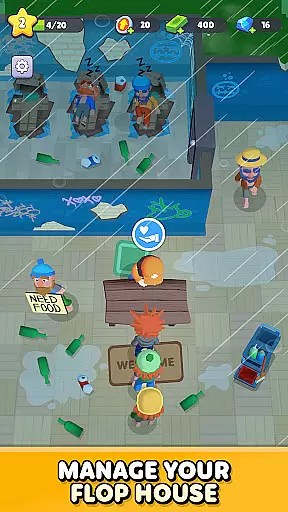
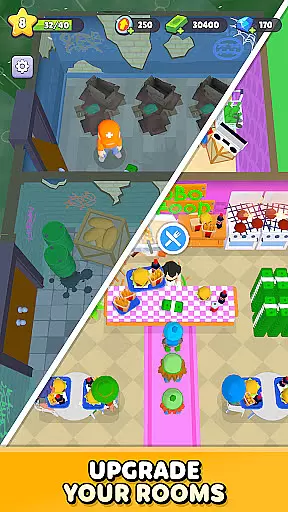
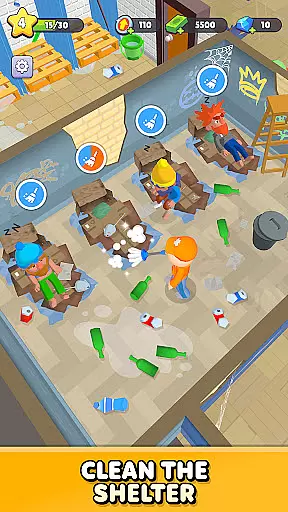
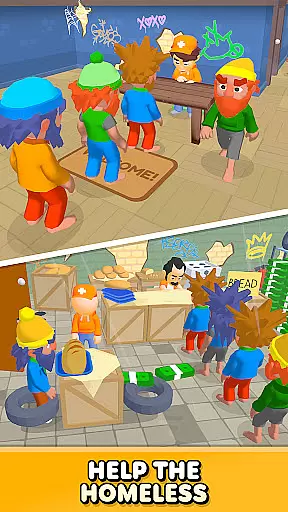
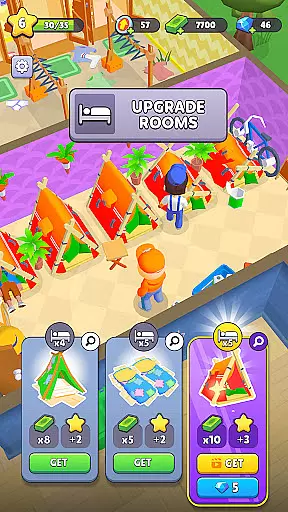

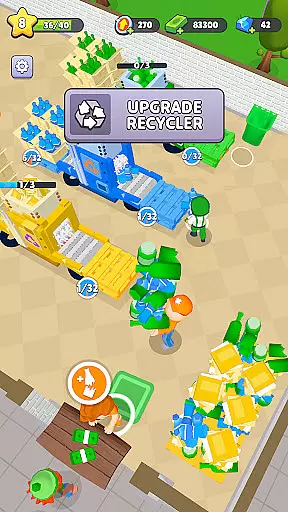
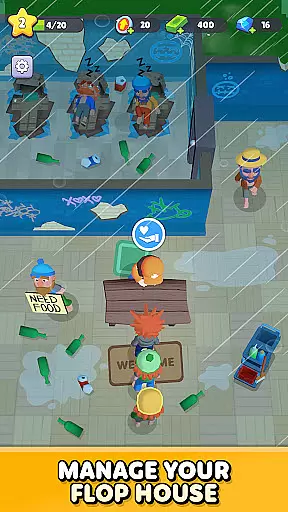
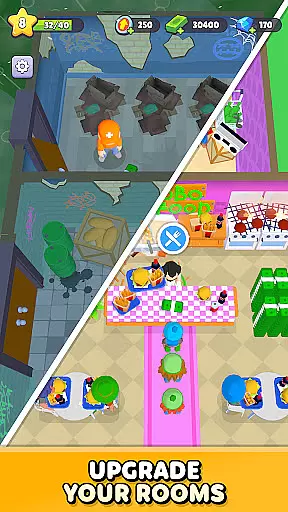
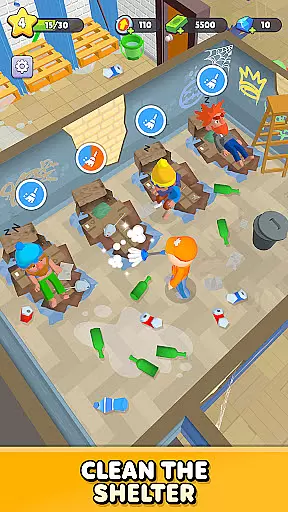
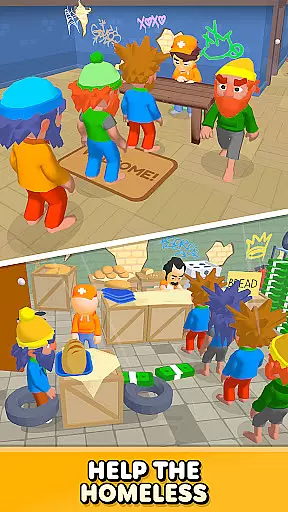
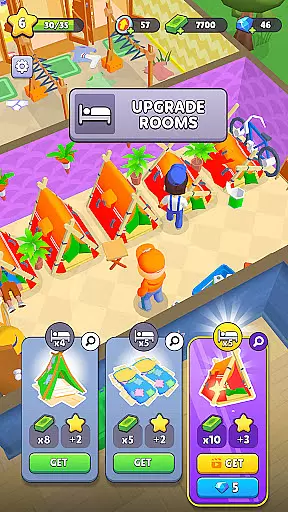

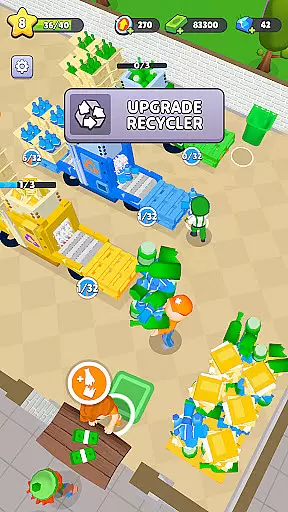
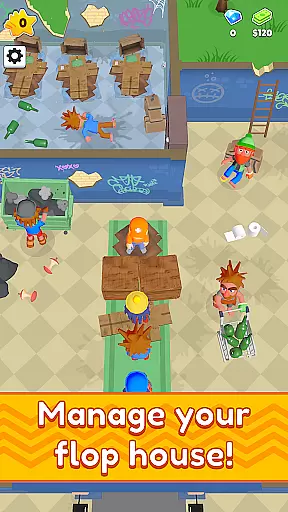
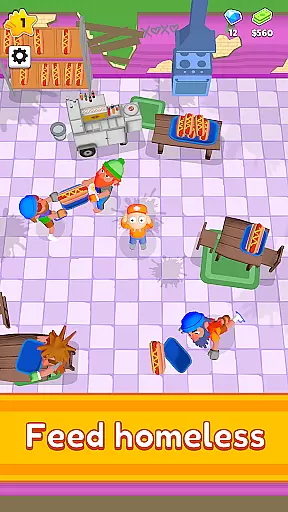
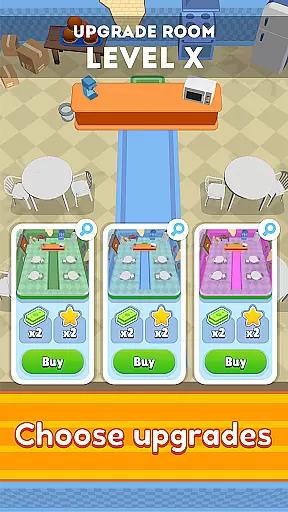
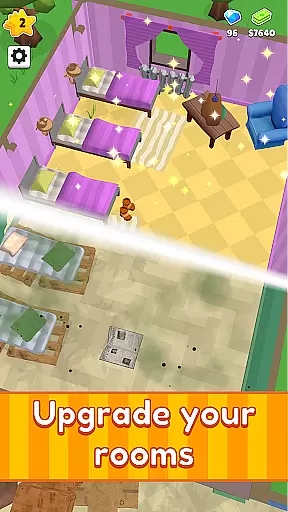
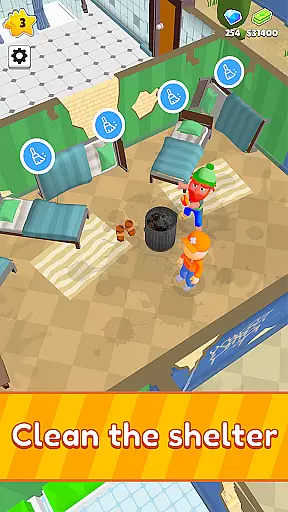
Flop House is a simulation game that puts you in charge of managing a homeless shelter. As the idle manager, your primary task is to take care of people by providing meals and shelter while upgrading facilities to accommodate more individuals. The game combines strategic resource management with the heartwarming narrative of helping those in need.
Starting from humble beginnings with minimal resources, you will expand and enhance your shelter into a fully functioning haven. By hiring staff and unlocking various upgrades, you can create an efficient system for supporting the homeless community. Each decision impacts your ability to grow your shelter and solidify your reputation as a successful manager.
This game offers not only entertainment but also insight into the challenges faced by real-life shelters. It provides players with a unique perspective on how small actions can lead to significant improvements in someone's life.
Flop House stands out with its engaging gameplay mechanics designed around running a homeless shelter. Players start with basic amenities and gradually build up their facilities through strategic planning and resource allocation. This includes adding kitchens, showers, and other essential services necessary for maintaining a functional shelter environment.
The game emphasizes teamwork as players must hire staff members who contribute to daily operations such as cooking, cleaning, and caring for residents. Effective management ensures smooth operation even when you're not actively playing, thanks to its idle tycoon style gameplay loop.
With elements reminiscent of both animal shelter games and classic simulation titles, Flop House delivers a mix of humor and heartfelt moments. Its addictive nature comes from balancing immediate needs with long-term goals, making it appealing to fans of simulation games looking for meaningful engagement beyond mere entertainment value.
In Flop House, the economic system is designed to simulate real-world challenges while maintaining an engaging gameplay experience. The game incorporates resource management mechanics that require players to balance limited supplies such as food, beds, and hygiene facilities. This creates a dynamic feedback loop where every decision impacts the shelter's efficiency and reputation.
As players progress, they must strategically allocate resources to expand their shelter and accommodate more residents. Each upgrade introduces new variables into the economic model, such as hiring staff or purchasing equipment, which directly affect operational costs and income potential. These elements ensure that players remain constantly engaged in adapting their strategies based on evolving circumstances.
The depth of the economic system lies in its ability to combine idle gameplay with meaningful choices. Players learn to optimize their shelter's performance by analyzing patterns in resource consumption and resident needs. This not only enhances the overall gaming experience but also provides valuable insights into managing complex systems under constraints.
Ultimately, the economic system in Flop House offers a rewarding challenge for players who enjoy simulation games. By mastering resource allocation and understanding dynamic feedback mechanisms, users can transform their humble shelter into a thriving community hub, showcasing their skills as both a manager and strategist.
Resource management in Flop House is a critical component that tests players' ability to maintain equilibrium between supply and demand. As the idle manager of a homeless shelter, players must carefully monitor essential resources like food, water, and bedding to ensure smooth operations. Balancing these elements is key to sustaining growth and preventing crises within the shelter environment.
The game introduces various scenarios that challenge players to think critically about resource distribution. For instance, sudden influxes of residents may strain existing supplies, forcing players to make tough decisions about prioritization. These situations encourage strategic thinking and adaptability, as successful managers must anticipate fluctuations and prepare accordingly.
Achieving balance in resource management involves more than just stockpiling items; it requires understanding how different resources interact. Players learn to implement efficient workflows by assigning tasks to staff members and investing in facility upgrades that enhance productivity. This multifaceted approach ensures that resources are utilized effectively, maximizing both resident satisfaction and shelter capacity.
By focusing on resource management balance, Flop House delivers an immersive simulation experience that rewards careful planning and execution. Players who master this aspect of the game will find themselves well-equipped to handle any challenges that arise, ultimately leading their shelter toward long-term success and stability.
Engaging gameplay
Heartfelt narrative
Strategic depth
Idle management
Humorous twist
Repetitive tasks
Limited customization
Ads between levels
In-app purchases
Occasional bugs

A realistic horror experience of exploring a missing woman’s phone.
 4.70
4.70
Build rockets, airplanes, and more and explore highly detailed 3D planets.
4.30
Ready to be a billionaire and build your bank empire? Start your adventure now!
4.60
Dodge lasers and explore! Planetary Development Simulation
4.60
Big Tractors, Big Farms, 1000+ Acres, American Sheds, all on an American Map!
4.40
A babysitting horror game
4.20
Lead a Magical School and Cast Spells in an Incremental Game!
4.70
The original idle game. Bake cookies to rule the universe!
4.50
Experience the sometimes hectic life of a Freddy Fazbear's Pizzeria franchisee.
4.60
Enter a world of magic and adventure and create your own RPG-style town!
4.80
Work hard and you may reach the top of the video game industry.
4.80
An Atmospheric Vehicle Adventure Game
4.60
Life Business empire rich game. Boss millionaire idle games. Idle office tycoon
4.60
Laugh, play, take care, learn and relax with the cutest virtual friend
4.50
Design airplanes in this flight sim and see how they fly with realistic physics.
4.30
Build your base, fight zombies, and survive the post-apocalyptic war!
4.20
Idle Mining Tycoon | ASMR Auto Dig For Gold. Offline Gem Digging Miner Simulator
4.20
Step into the world of tycoon simulator games and seal profitable business deals
4.10
Live a mom’s life—take care of family & home
4.00


User Reviews